The history of Le Fleuray
A family story, an invitation to travel.
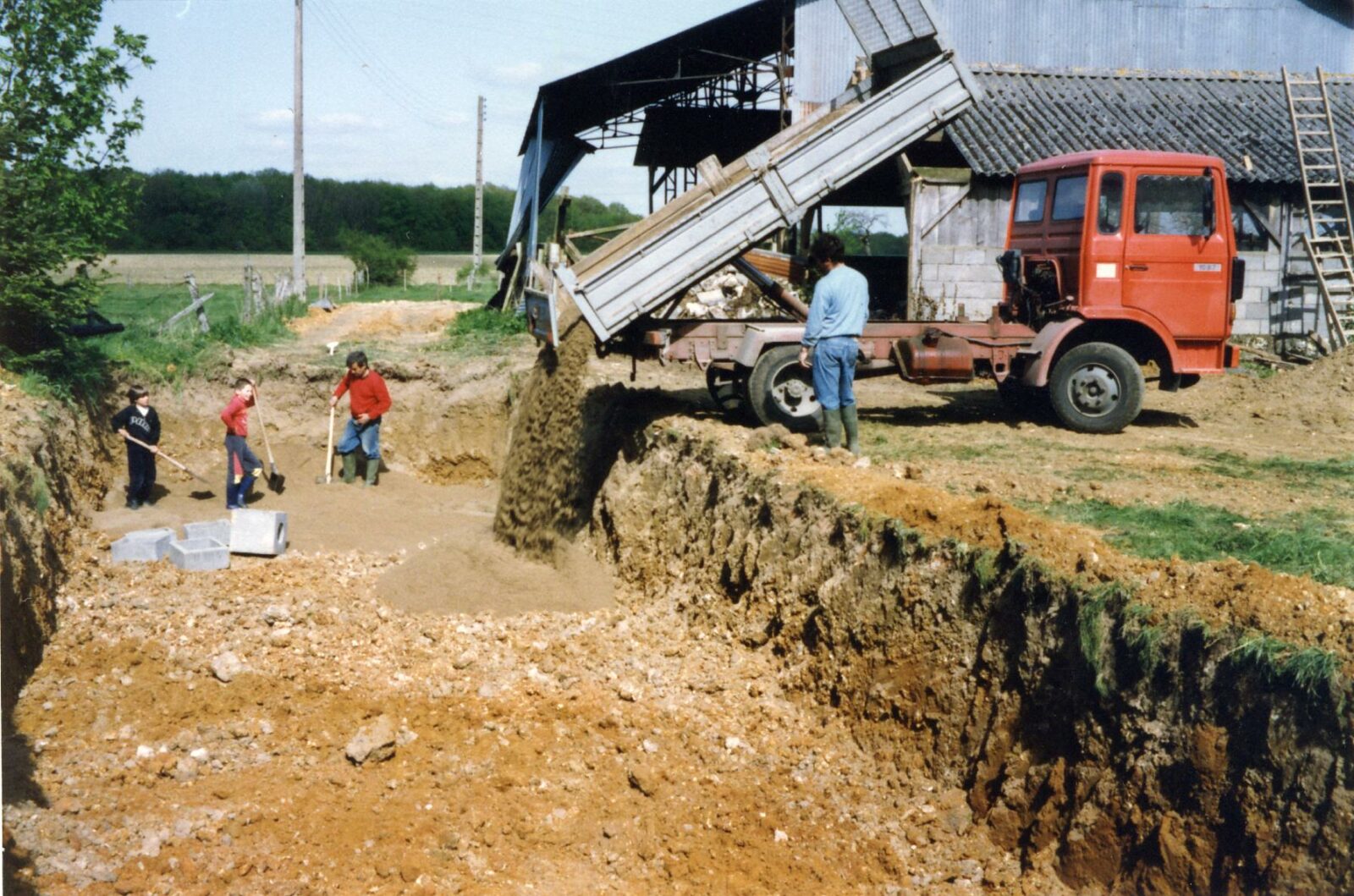
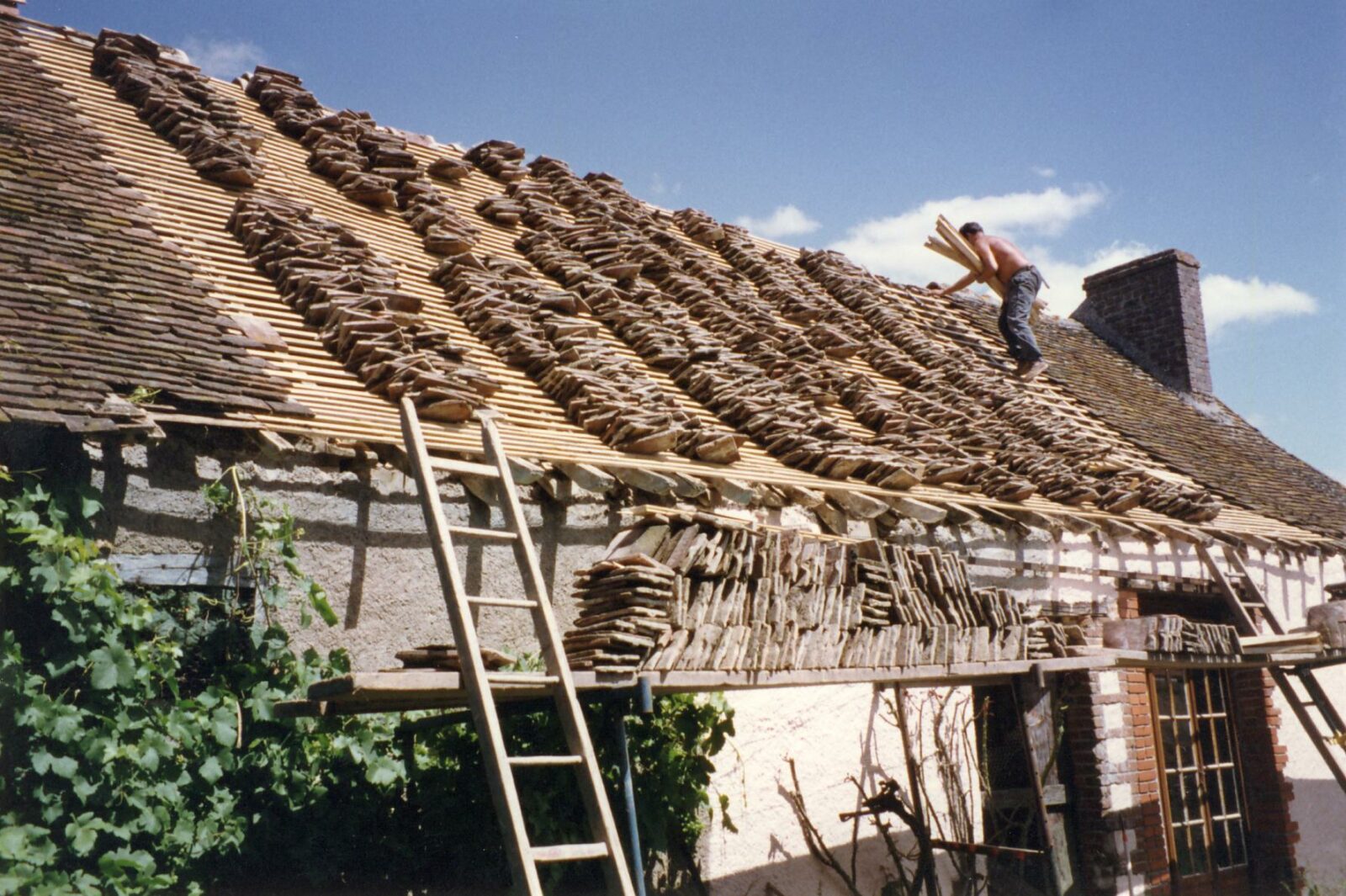
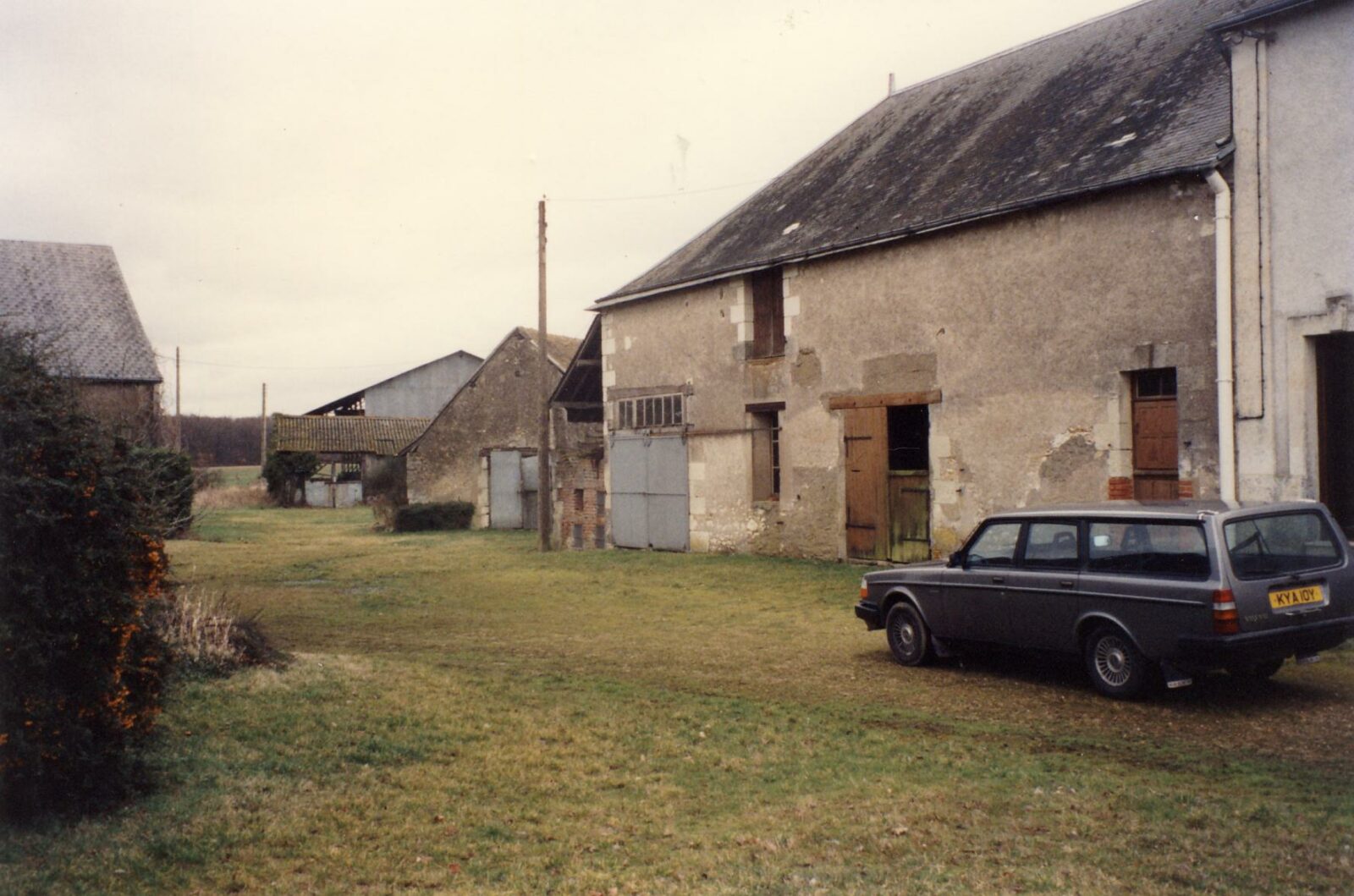
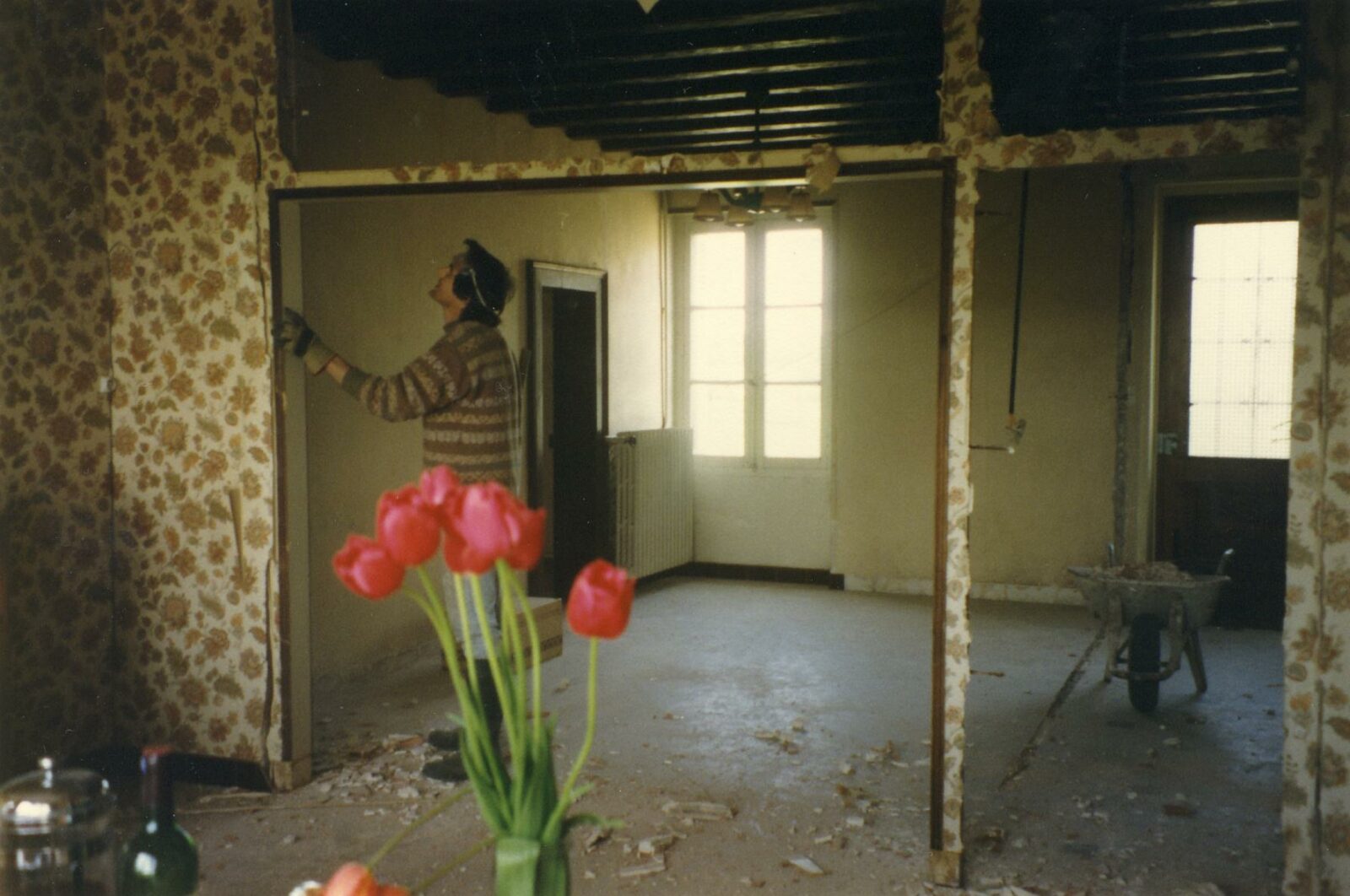
In the heart of the Loire Valley, we open the doors of Le Fleuray to you. A former farmhouse born in 1880, forgotten by time, then purchased in 1991 by my father. Stone by stone, he breathed life back into this place, with patience and passion, like restoring a precious memory.
My childhood was woven between the skyscrapers of Hong Kong, the hanging gardens of Singapore, and the golden dunes of Arabia. My wife’s childhood was cradled by the rhythm of islands and sea spray. From these elsewhere, we have kept the essence: wonder, slowness, the magic of first times. A dreamed-of era, before screens, low-cost flights, and connected worlds.
When traveling meant losing oneself a little to better find oneself.
Today, we are the third generation to make hospitality an art of living. Here, we do not speak of tourism. We speak of encounters. In a hurried world, saturated with images and appearances, we choose truth, simplicity, and connection. We believe in stories told by the fireside, in silences that speak, in glances that say:
“you are at home here.”
At Le Fleuray, service is not a gesture: it is an attention, a presence. And in our restaurant L’Instinct, with Chef Quentin Touzalin, we cultivate this same demand for the true, the beautiful, and the good.
Welcome to our home.
Welcome to a place that breathes, that listens, that feels like you.

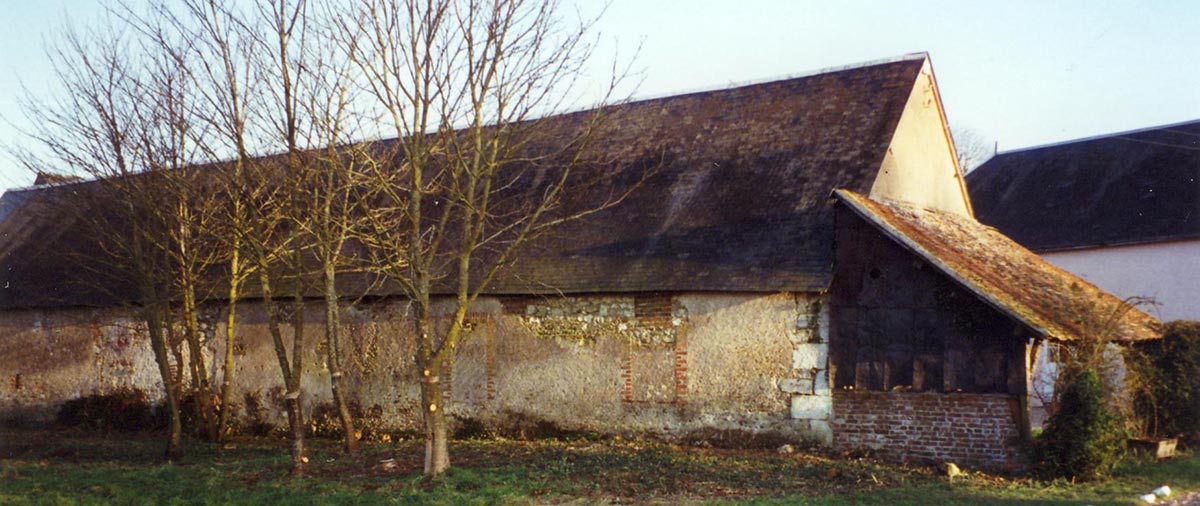
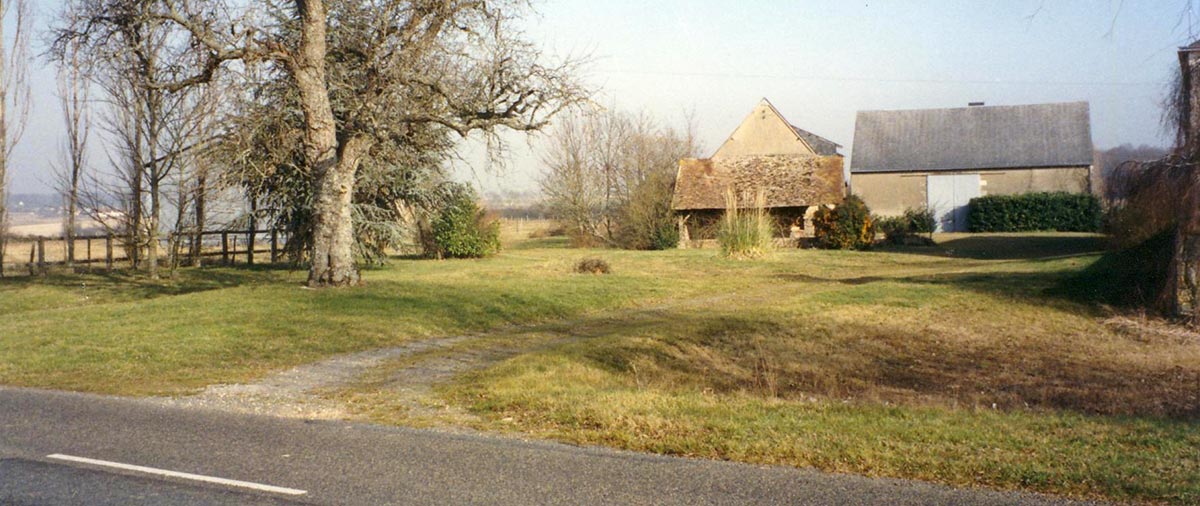
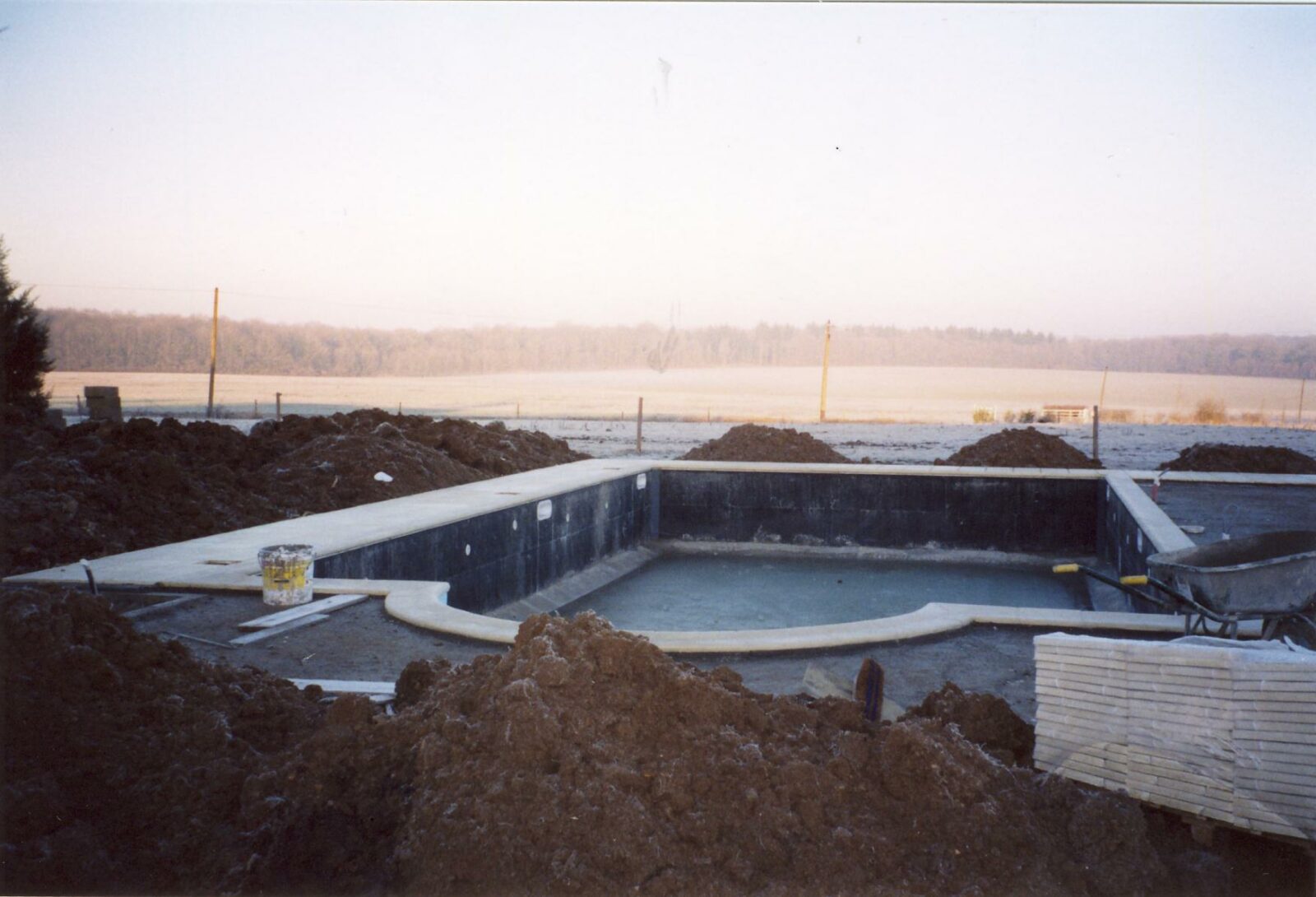
Originally, the estate was a large farm named “Le Plessis” dating back to the 1880s. Subsequently, it was completely renovated, transformed, and renamed “Le Fleuray” after the neighboring hamlet.
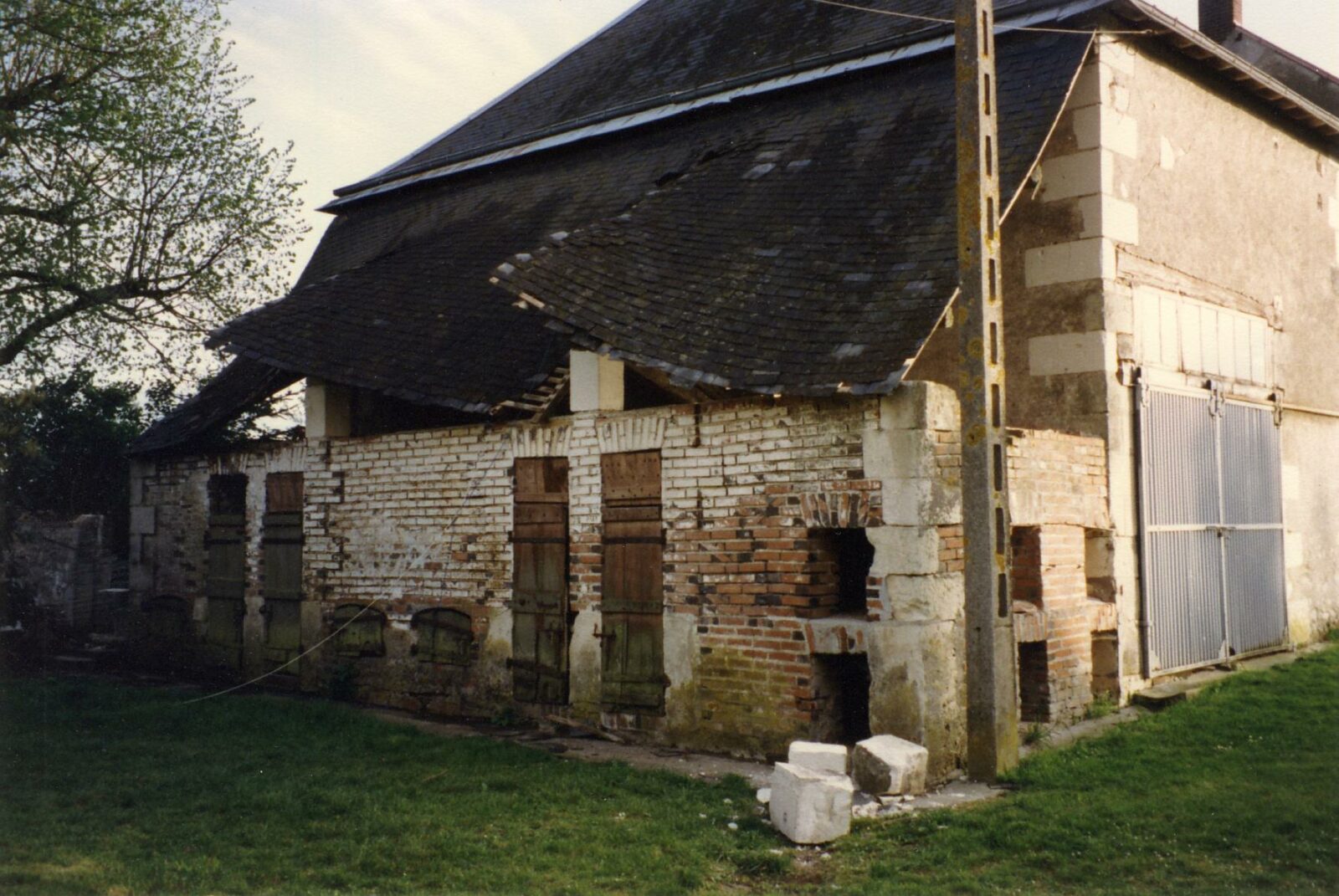
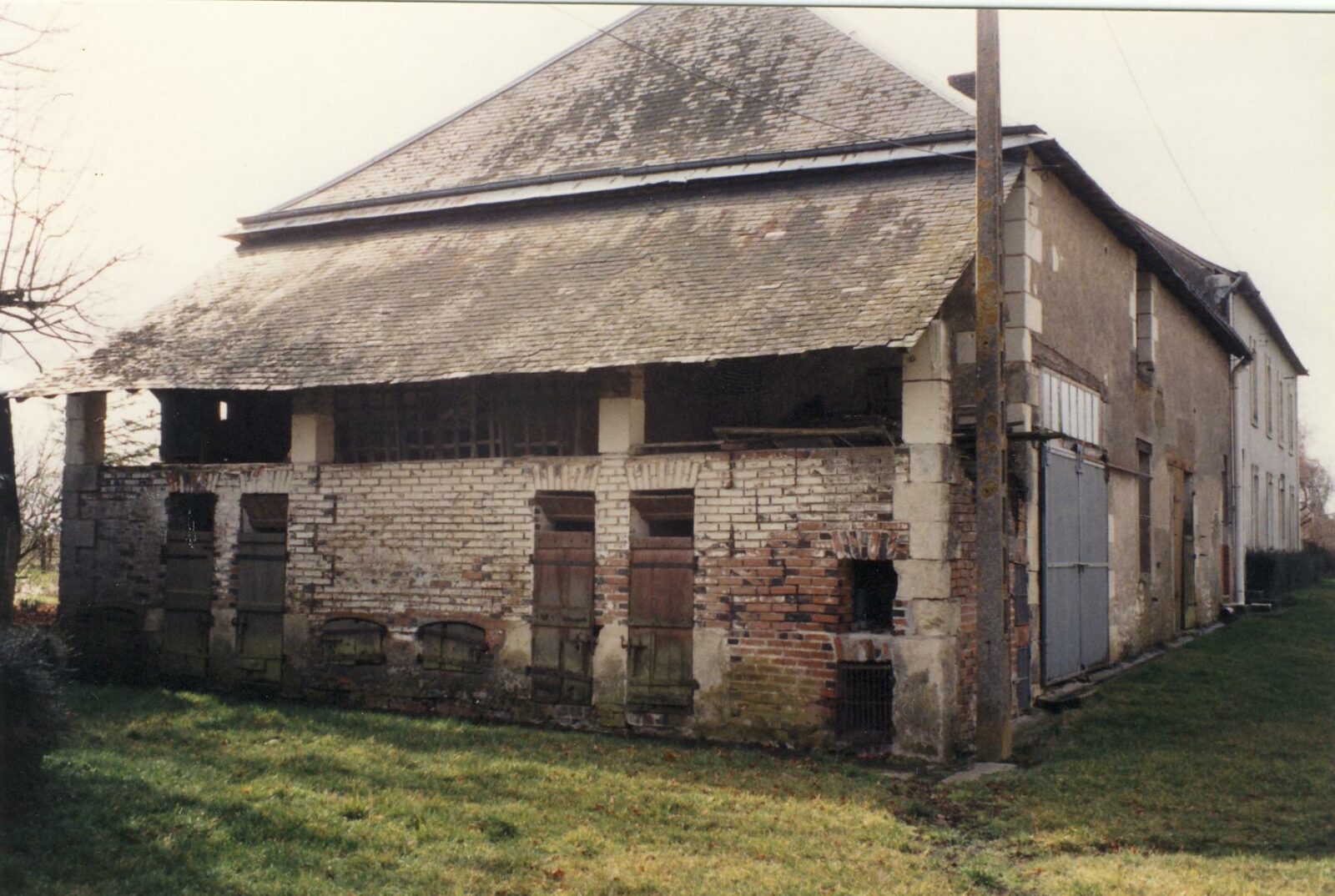
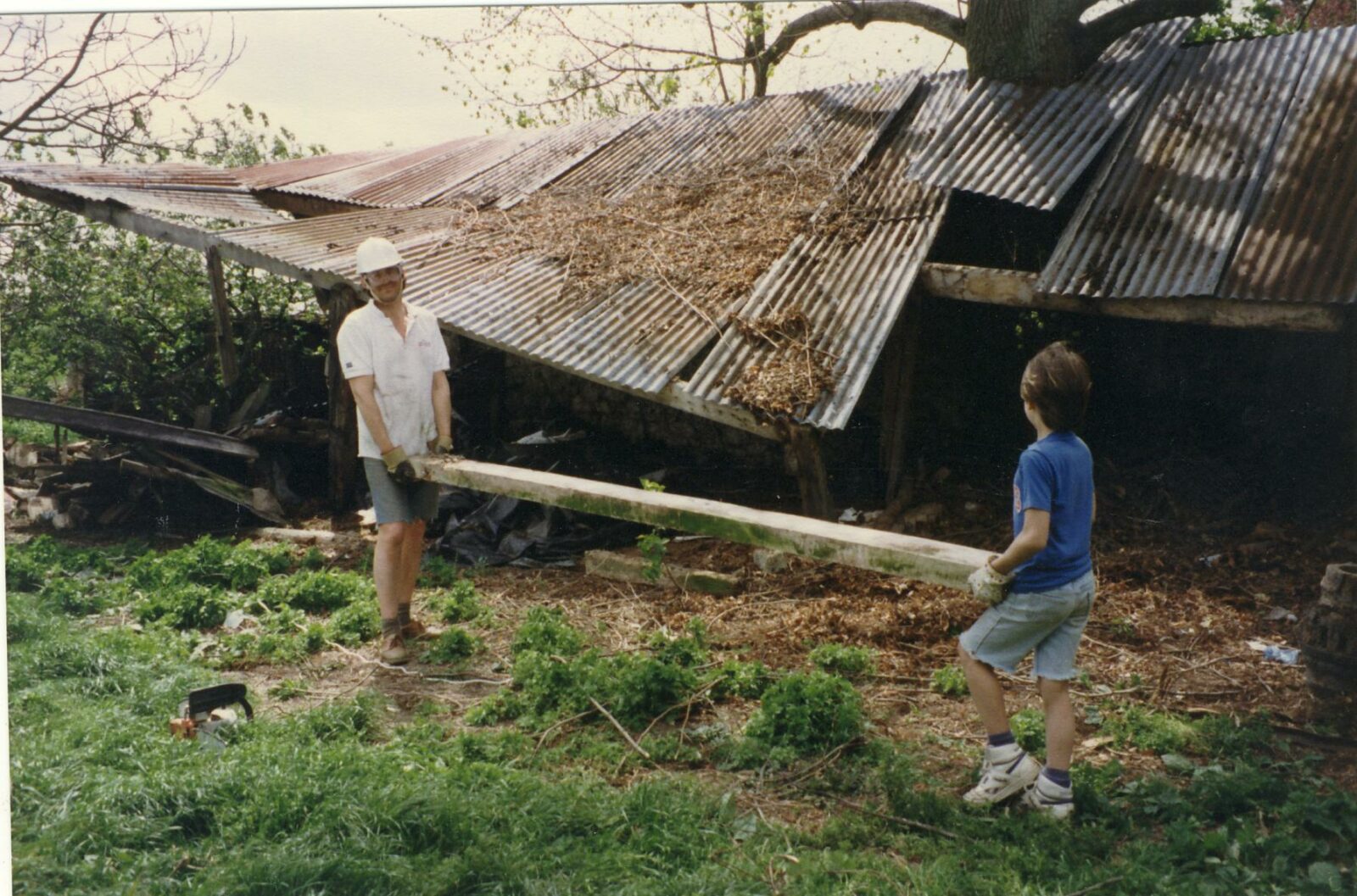
The adjoining old barns were demolished, the stables and the pigsty were restored, and the former shelter for horse-drawn carts became a veranda.

The adjoining old barns were demolished, the stables and the pigsty were restored, and the former shelter for horse-drawn carts became a veranda.

The farmhouse endured occupation during the Second World War, and shrapnel from aerial combat was found in the gardens during the renovation work.